
We frame each dispatch around what changed, why it matters, and what to watch next in the cycle.
Why Pantry Inventory Rotation Matters
A pantry inventory rotation guide is about more than neat shelves; it is a simple system that helps you use food safely and efficiently. By paying attention to food expiration tracking and moving older items to the front, you lower the chance of overlooking cans, boxes, and jars until they are far past their best quality. This routine makes it easier to check date labels, notice damage or spoilage, and separate items that should be used soon from those that can stay stored longer. The result is a pantry that supports everyday cooking without guesswork, where you know what you have and how long you can reasonably keep it.
Consistent rotation also shapes your budget and food waste. When you follow a first in, first out habit, you are more likely to finish what you already bought before opening or purchasing more, which cuts down on throwing away unused products. A clear kitchen inventory system makes grocery planning more focused, because you can see which staples truly need restocking and which can wait. Over time, you stop shopping from scratch each trip and instead build on what is already at home, creating a reliable pantry and a realistic plan for using what you pay for.
Setting Up a Practical Kitchen Inventory System
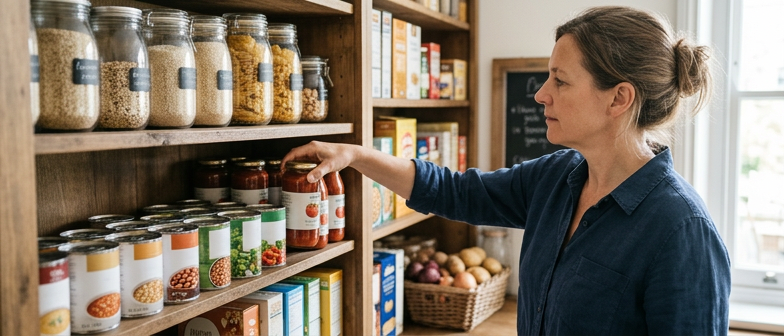
A practical kitchen inventory system starts with deciding where everything will live so you can see at a glance what you have. Group dry goods by type, keeping everyday items like pasta, rice, cereal, and baking supplies in clear zones on your shelves. Place heavier or bulk items on lower shelves and lighter, frequently used foods at eye level. When your pantry layout supports simple dry goods organization, it becomes easier to follow a consistent pantry inventory rotation guide instead of relying on memory.
Once zones are set, add clear labels and basic tools to support food expiration tracking. Label shelves or bins with both the food category and common use, such as snacks, breakfast items, or baking essentials, and face packaging so dates are visible. Write open dates and use-by dates directly on packages with a marker or add small stickers to the front. Some households keep a paper log inside the pantry door, while others use a simple spreadsheet or app, but the goal is the same: quickly see what needs to be used first and what is running low.
To keep your system working day to day, match your shelf layout to how you shop and cook so it functions like a natural kitchen stock checklist. Arrange items so that older products move to the front and new groceries go behind them, supporting a first-in, first-out habit. When you put away groceries, scan your organized dry goods, note which staples are nearly gone, and update your running list. Over time, this routine turns your kitchen inventory into a reliable guide that supports your grocery restocking plan and helps reduce waste and last-minute store trips.
| Category | Examples to Keep On Hand | Storage Zone | Rotation Priority |
|---|---|---|---|
| Staple grains | Rice, pasta, oats | Eye-level shelf | Medium |
| Breakfast items | Cereal, granola, nut butter | Eye-level shelf | High |
| Baking basics | Flour, sugar, baking powder | Middle shelf bin | Medium |
| Snacks | Crackers, nuts, dried fruit | Front of shared shelf | High |
| Bulk and heavy goods | Large bags of rice, extra oil | Lower sturdy shelf | Low |
Creating a Pantry Stock Checklist
A practical pantry stock checklist starts with an honest look at how your household cooks and eats. List the dry goods, canned items, and staples you reach for every week, then adjust quantities based on household size and how often you cook. In a pantry inventory rotation guide, this checklist is your baseline, showing the minimum amounts to keep on hand while still fitting your shelves and cabinets. Keeping it simple and tied to your real habits makes it quick to scan before grocery trips.
Keep the checklist linked to your rotation routine so it stays useful. As you put groceries away, mark what was restocked and note items that are low or rarely used. Use expiration dates to pull products to the front so they are used first, supporting a first in, first out style of food storage. Update the checklist when your cooking changes so it continues to reflect your kitchen inventory system instead of becoming a static list.
Applying First In, First Out in Your Pantry
First in, first out, or FIFO, means using the oldest items in your pantry before newer ones so food does not expire or lose quality unnoticed. In a practical pantry inventory rotation guide, this habit links food expiration tracking, a basic pantry stock checklist, and your daily cooking. By paying attention to dates and noticing which products you actually reach for, you can build a dry goods organization system that keeps cans, jars, and boxed items moving instead of getting buried in the back.
To use FIFO on shelves and in cabinets, place newly purchased products behind or beneath what you already own so the older goods stay in front and are easiest to grab. Group similar foods together, such as lining up soups in one section and pasta in another, then arrange them by date from left to right. A simple kitchen inventory system on paper, in a spreadsheet, or in a basic app can support this method by listing what you have and showing which items you plan to use soon.
Bulk ingredients like rice, flour, and beans need the same first in, first out approach even when stored in large containers. Keep original packages labeled with purchase dates and pour them into clear bins in order, placing older contents where you will scoop them first. When your grocery restocking routine includes checking dates, noting staples that are running low, and rotating containers before refilling them, this rotation method becomes automatic and keeps your pantry organized and easy to cook from.
Labeling and Date Marking Techniques
Clear, consistent labels keep your kitchen inventory system easy to manage and make it obvious which foods to use first. Keep simple tools, like masking tape and a permanent marker, near the pantry so labeling items as they come home becomes automatic. Write in large, legible print and place labels on the front or top of packages where you can see them without moving everything, which supports a smoother food expiration tracking routine.
When you mark dates, focus on what helps you rotate stock quickly. Many people simply note the purchase date in a clear month-day-year format and add a short note if the package is opened. Placing containers with earlier dates in front and newer ones in back creates a natural first in, first out flow, turning your pantry into a reliable, easy-to-scan inventory system.
Tracking Food Expiration Without Overcomplicating It
A practical pantry inventory rotation guide focuses on reading labels and using a quick visual system rather than tracking every item in detail. Learn the difference between “best by,” “use by,” and “sell by” so you can tell which dates relate to quality and which hint at safety. Many shelf-stable foods stay safe past a “best by” date if the package is unopened, undamaged, and stored well, though flavor and texture may fade. Cans that are bulging, leaking, badly dented, or rusted, and jars with broken seals, should usually be discarded even if their printed date has not passed. This kind of basic food expiration tracking lets you decide quickly what to use soon and what to throw out without turning your pantry into a data project.
To keep your pantry stock under control, pair those date labels with a simple routine. Once a week, spend a minute or two scanning one shelf, pulling older items or those with earlier dates to the front and placing newer foods behind them in a first-in, first-out pattern. Mark the top of each package with the month and year you bought it, or write a simple “use first” note on anything nearing the end of its best quality. This light-touch kitchen inventory system supports your broader pantry rotation plan and makes it easy to see what to cook next while keeping the process manageable.
Q&A
-
What is a pantry inventory rotation guide?
It is a simple plan for where food goes, how it is labeled, and in what order you use it. Rotating items reduces waste, keeps food safer, and speeds up meal planning. -
How do I set up a kitchen inventory system for dry goods?
Group similar items, keep heavy foods on low shelves, and place staples at eye level. Move opened packages into clear containers, label shelves, and keep a notepad or simple list for quick updates. -
What belongs on a basic pantry stock checklist?
Include shelf-stable foods you use often, like grains, canned beans, tomatoes, broth, oils, and baking supplies. Set a minimum amount for each based on how many people you cook for and how often. -
How do I apply first in, first out food storage?
When restocking, slide newer groceries behind older ones so the oldest stay in front. Check dates as you put food away and plan meals around items closest to their labeled date. -
How can I track food expiration dates without an app?
Keep masking tape and a marker near the pantry and write clear dates or “use first” notes on packages. Do a quick weekly scan to spot foods that should be used soon or discarded.