
We frame each dispatch around what changed, why it matters, and what to watch next in the cycle.
Planning Your Apartment Viewing
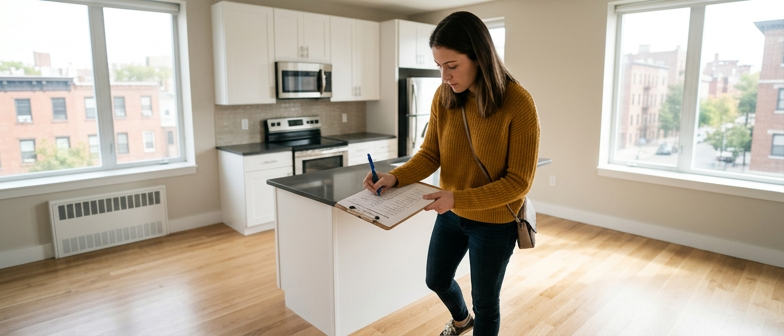
Planning your visit with a clear apartment viewing checklist keeps you focused on whether the unit fits your needs, budget, and lifestyle. Before you schedule tours, think through your lease viewing preparation by listing must‑have features, your preferred move‑in date, and a realistic price range. Write down questions about utilities, parking, pet policies, and maintenance response times so conversations with leasing staff stay productive and you do not forget important details. Organized notes around the same criteria for every place also make it easier to compare units later.
Preparation for the day of the visit matters as much as choosing what to ask. Bring a notepad or digital document to record impressions, along with any documents you might need if you decide to apply, such as identification and income information. Plan to check basic safety and comfort details, including door and window locks, lighting in common areas, and how secure the building feels when you arrive. Use your checklist to test faucets and appliances, look for signs of water damage or peeling paint, and pay attention to noise levels so your decision reflects the apartment’s actual condition rather than a quick first impression.
Inspecting the Interior and Taking Condition Notes
During the interior part of your apartment viewing checklist, move room by room and look closely at walls, ceilings, floors, doors, and windows for cracks, stains, warped areas, or signs of water damage. Open and close every door and window to check smooth operation and secure latching, and note loose hardware or sticking frames. Record visible wear such as scratched floors, torn carpet, chipped tile, or uneven spots so your apartment condition notes clearly show what was there before you move in.
In the kitchen and bathrooms, focus your rental walkthrough questions on plumbing, electrical features, and ventilation. Test each faucet and shower for water pressure and stable temperature, look under sinks for leaks or corrosion, and flush toilets to confirm they work without odd noises. Try every light switch and outlet, especially near water, and check that bathroom and kitchen fans or vents actually move air and, when possible, vent outside. Write down anything worn or in need of repair and ask how the landlord or property manager handles maintenance and typical response times.
Include heating and cooling in your lease viewing preparation and document how these systems perform while you are in the unit. For central systems, use the thermostat in both heating and cooling modes and check vents for airflow and heavy dust. For window units or space heaters supplied with the rental, turn them on briefly and note rattling, smells, or weak output, and ask how often filters are changed and who is responsible. Before you leave, review your condition notes and request that major issues and promised fixes be added to the lease or move‑in inspection form so your observations become part of the official record.
| Interior Area | What to Check | Condition Notes Focus | Follow‑Up Priority |
|---|---|---|---|
| Walls, ceilings, floors | Cracks, stains, warping | Pre‑existing cosmetic wear | Medium |
| Doors and windows | Smooth operation, secure latches | Loose hardware, sticking frames | Medium |
| Kitchen plumbing and electrical | Faucets, under‑sink leaks, outlets | Functional issues, corrosion, noise | High |
| Bathroom fixtures and ventilation | Toilets, fans, moisture control | Odors, weak airflow, water damage signs | High |
| Heating and cooling systems | Thermostat, vents, filters | Airflow quality, unusual sounds or smells | High |
| Overall interior notes | Photos and written records | Items to document in lease or inspection form | High |
Key Questions to Ask During the Walkthrough
During the rental walkthrough, use your questions as a checklist so you understand daily management of the apartment. Ask who handles routine maintenance, how to submit repair requests, and typical response times for problems like leaks or broken appliances. Confirm which utilities you pay, which are included, and whether there are caps or variable fees. For safety, ask about smoke and carbon monoxide detectors, how building entry is controlled, and how keys or access codes are managed when staff or contractors enter your unit. These rental walkthrough questions are a core part of your lease viewing preparation.
Also ask about required disclosures, such as past water damage, pest treatments, or older paint that may need special care. Clarify policies on painting, hanging shelves, or other changes so you know what must be restored at move-out. Request details on how often common areas are cleaned, how trash and recycling are handled, and what happens if you need emergency repairs outside normal hours, so you can judge whether the apartment’s overall condition and management fit what you need.
Measuring Rooms and Planning Your Layout
When you walk through a rental, make measurements a standard part of your apartment viewing checklist. Bring a tape measure and a notebook, and sketch where your main furniture might go. Measure wall lengths, ceiling height, and usable floor area, noting windows, doors, heaters, radiators, and built-in shelves that limit placement. For each room, check the distance between power outlets and likely spots for a TV stand, desk, or floor lamp. Record doorway widths and hallway clearances so larger items like sofas, wardrobes, and mattresses can be carried in safely. These apartment condition notes keep move-in day predictable and help you compare rentals using real dimensions instead of quick impressions.
Turn these measurements into a simple room measurement checklist you can reuse. In the living room, note the wall you would use for the couch and TV, its length, and any obstructions. In bedrooms, measure the wall for the bed, closet opening size, and space for dressers or nightstands to be sure you can still move around easily. In the kitchen and dining area, capture counter runs, space for a table, and clearance when appliances and cabinet doors are open. After each visit, transfer your notes into a rental comparison sheet so you can see which layout fits your existing belongings and daily routines without feeling cramped.
Recording Measurements and Photos for Later Comparison
To make your apartment viewing checklist useful across multiple places, record room measurements and visual details in a consistent format. Bring a tape measure and note the length and width of each room, doorways, window height, and key wall sections where furniture might go. Enter these numbers in the same order on a simple rental comparison sheet so you can quickly see whether your couch, bed, and table fit each unit. Writing measurements immediately, instead of relying on memory, makes it easier to compare layouts once you are back home and prevents confusion between similar apartments.
Evaluating the Building and Neighborhood
As part of your Apartment Viewing Checklist, step back from the unit and look closely at the building. Note the condition of lobbies, hallways, laundry rooms, stairwells, and elevators, and whether they are clean, bright, and maintained. Check security features like entry locks, intercoms, cameras, and whether doors and gates shut securely. If you need parking, confirm where you can park, whether spaces are assigned, and any restrictions. Listen for noise from neighboring units, nearby businesses, streets, or transit lines and consider how it might affect daily life at different times. Brief apartment condition notes about these details will help you remember which buildings felt safe and organized.
Use a neighborhood visit checklist while you are still nearby to evaluate the surrounding area. Walk or drive around to see how close the apartment is to grocery stores, pharmacies, schools, parks, and public transportation, and estimate your usual commute. Pay attention to lighting, foot traffic, and general activity, especially near entrances and on side streets, and decide whether you would feel comfortable coming home after dark. Notice any ongoing construction, loud events, or heavy traffic that could affect noise or parking, as well as practical features like sidewalks, bike lanes, and access to major roads. These impressions will be useful later when you compare rentals and weigh convenience and everyday quality of life.
Q&A
-
What should be on a basic apartment viewing checklist before I schedule tours?
List your budget, target move‑in date, must‑have features, and questions about utilities, parking, pets, and maintenance so each visit stays focused. -
How do I take useful apartment condition notes during the walkthrough?
Move room by room, noting stains, cracks, water damage, worn flooring, and any doors or windows that do not open or lock smoothly. -
What key questions should I ask during a rental walkthrough?
Ask how to request repairs, typical response times, which utilities you pay, what is included, and how building access and keys are managed. -
How can a room measurement checklist help me plan my layout?
Measure wall length, ceiling height, floor space, doorways, and outlet locations so you know whether your furniture fits and how to arrange it. -
What should I look for when visiting the neighborhood and comparing rentals?
Note building cleanliness, noise levels, parking options, and safety features, then use a simple rental comparison sheet to review units side by side.